Entering the financial market for the first time can feel complex, especially when you are learning how to manage investments, track price movements, and understand trading terms. A structured approach helps new participants build confidence and reduce confusion. One of the first tools that beginners rely on today is a Trading App. It allows users to follow market activity, place orders, and monitor their holdings in one place.
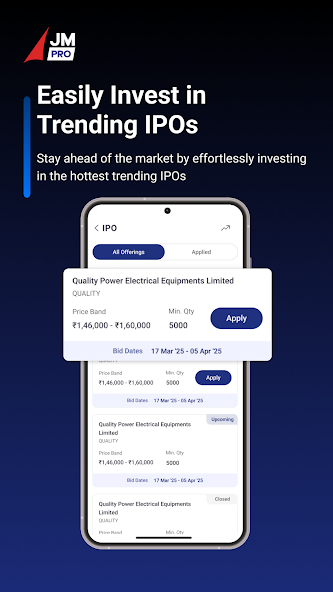
Before using any Trading App, it is important to understand the role of a Demat Account. A Demat Account stores securities in electronic form and works together with the app to complete transactions. When both tools are set up correctly, they provide a simple process for buying and selling assets. For new market users, learning these basics helps create a clear path for responsible trading and long-term planning.
Understanding the Basics of a Trading App
A Trading App is a digital platform that connects users to the stock market through a secure interface. It allows individuals to view price changes, place orders, review transaction history, and monitor their holdings. The app acts as a bridge between the user and the market system.
For new users, the interface may include charts, watchlists, and order sections. Each of these elements serves a specific purpose. Charts show price trends, watchlists track selected assets, and order sections allow buying or selling. Learning how to read each section reduces mistakes and supports better decision-making.
A Trading App also connects with a Demat Account. When a user purchases securities, they are stored in the Demat Account. When selling, the securities move out of the account after the order is completed. This connection ensures that transactions are recorded properly and holdings remain organized.
Why a Demat Account Is Important
A Demat Account is required to hold shares and other securities in electronic form. Without it, users cannot store their purchased assets. The account functions as a digital storage system that keeps records of all holdings.
Opening a Demat Account usually involves submitting identity and address details, verifying documents, and completing a simple registration process. Once active, the account links with the Trading App. This link allows users to place orders and see updated balances in one place.
For new market participants, maintaining an accurate Demat Account is essential. It helps track investments, view transaction history, and confirm ownership of securities. Regularly reviewing the account ensures that records remain correct and updated.
Key Features to Review Before Using a Trading App
User Interface and Navigation
The layout of a Trading App should be easy to follow. New users benefit from clear menus, simple order forms, and organized sections. A structured interface reduces confusion and helps users find information quickly.
Order Placement Options
Different order types may be available, such as market orders and limit orders. Understanding how each option works helps users control their trades. Reading order details carefully before submission prevents errors.
Account Overview Section
The account section shows holdings, transaction history, and available balance. Reviewing this section often helps users stay aware of their positions and manage them properly.
Security and Access
Security features such as password protection and verification steps protect user accounts. Keeping login details private and updating passwords regularly helps maintain account safety.
Steps to Start Using a Trading App
Step 1: Complete Registration
Begin by creating an account within the Trading App. Provide required details and complete the verification process. Ensure that all information matches official documents to avoid delays.
Step 2: Open and Link a Demat Account
After registration, open a Demat Account and link it to the app. This step allows purchased securities to be stored electronically and displayed in your portfolio.
Step 3: Add Funds
Transfer funds into the trading account through supported payment methods. Start with a manageable amount that allows you to understand how the system works without pressure.
Step 4: Learn the Dashboard
Explore the dashboard to understand charts, watchlists, and order sections. Spend time reviewing how each feature works before placing any orders.
Step 5: Place a Test Order
Placing a small test order helps new users understand the process. Check order status, review confirmations, and observe how the transaction appears in the Demat Account.
Managing Risk and Building Discipline
New market users benefit from setting clear limits. Decide how much to invest and avoid exceeding that amount. Keeping a record of transactions helps maintain discipline and supports learning.
Review market information regularly but avoid frequent changes without reason. A steady approach allows users to understand patterns and reduce confusion. Using the watchlist feature in a Trading App helps track selected assets without placing immediate orders.
Maintaining a schedule for reviewing the Demat Account also supports organization. Weekly or monthly checks help confirm that all records are correct and updated.
Common Mistakes to Avoid
Placing Orders Without Review
Submitting an order without checking details can lead to errors. Always confirm price, quantity, and order type before placing a trade.
Ignoring Account Records
Not reviewing the Demat Account regularly may lead to confusion about holdings. Keeping track of records ensures clarity and accuracy.
Overloading the Watchlist
Adding too many assets to the watchlist can make tracking difficult. Focus on a limited number of securities and expand gradually as you gain experience.
Skipping Learning Steps
Some users begin trading without understanding the interface. Taking time to learn the features of a Trading App helps avoid mistakes and builds confidence.
Tips for Long-Term Use
Maintain a routine for checking market updates and reviewing your portfolio. Keep notes on trades to understand what worked and what did not. Over time, this record becomes a useful reference.
Ensure that login details remain secure and update them periodically. Regular updates to the Trading App may introduce new features or improvements, so reviewing changes helps users stay informed.
Keeping the Demat Account active and updated ensures that all holdings remain accessible. If personal details change, update them promptly to avoid disruptions.
Conclusion
Starting your market journey requires preparation, patience, and a clear understanding of tools. A Trading App provides a structured way to follow market activity, place orders, and manage holdings. When connected to a Demat Account, it forms a complete system for handling investments in an organized manner.
For new users, learning the basics of a Trading App and maintaining a well-managed Demat Account creates a stable foundation. Reviewing account details, understanding order types, and following a consistent routine helps build confidence over time. With careful steps and regular review, new market participants can navigate the system with clarity and maintain control over their financial activities.